
Your Cart

Welcome to the Bright IDEA | Inner Realm WELLth Store
Everything you need to grow, to live, to be…WELLthy.
Your next step starts here.
Explore our curated collection of books, tools, and wellness resources for educators, parents, and anyone building a more balanced, sustainable life.
I'm Dr. Rolanda Fabien, founder of Bright IDEA Consulting, LLC. Alongside our work partnering with school districts and education agencies, I've curated this collection of resources, handpicked to support growth, balance, and everyday resilience for you and the people who count on you.

SHOP BY CATEGORY
Explore Our Core Pillars
Every category here supports one goal: whole-life wellness, from a different angle.

Beauty
Skincare, cosmetics,
and personal care essentials
for a radiant glow.

Nutrition & Fitness
Supplements, gear,
and tools to fuel
your body.

Spiritual Wellness
Books, journals, and
meditation aids for
inner peace.

Business & Self Help
Resources for productivity,
leadership, and
personal growth.

Travel & Leisure
Luggage, accessories,
and gear for your
next adventure.
FEATURED COLLECTION
Discover our most loved collections, thoughtfully selected to help you create a healthier, wealthier and more balanced lifestyle.

Moisturizing Nourishing Phthalate Sensitive
$9.98

Bio-Collagen Real Deep Mask
$16.14

Cyperus Rotundus Oil
$19.99

U Beauty The RETURN Eye Concentrate
$147.93

Hydrating Face Moisturizer
$59.43

MNO Organic Moringa Oil Glow Serum & Frizz Control for Hair & Skin
$24.95

Welzona 103 Modular Sectional Sofa, Sectional Couch
$399.99

12-Piece Modular Kids Play Couch - Soft & Durable Toddler Couch
$249.99

PatioMage Ergonomic Mesh Office Chair with
$248.44

Ergonomic Office Chair Office with Adaptive Lumbar
$169.96

Accutime Sanrio Hello Kitty Girls' Digital LCD Quartz Watch with Pink Strap and Colorful Bezel
$11.36

Pure Encapsulations Magnesium (Glycinate)
$27.00

Bounty Paper Towels Quick Size, White, 16 Family Rolls
$43.49

Bible Workbook Volume 1 Old Testament
$5.99

12 Pack Chair Bands, Anti Slip Chair Bands for Kids with Fidgety Feet
$19.99

Accutime Sanrio Hello Kitty Girls' Digital LCD Quartz Watch with Pink Strap and Colorful Bezel
$49.99

Herepai Big Girls' Adjustable Training Bra Cotton Bras Wireless Light Padded 10-16 Years
$18.99

Under Armour Kids' Grade School Lockdown 7
$55.00

Kipp Texas Youth Short Sleeve Pique Polo Shirt
$15.99

RIVBOS Kids Sunglasses Polarized UV400 TPE with Strap for Boys Girls
$9.98
DIGITAL PRODUCTS
Invest in your GROWTH
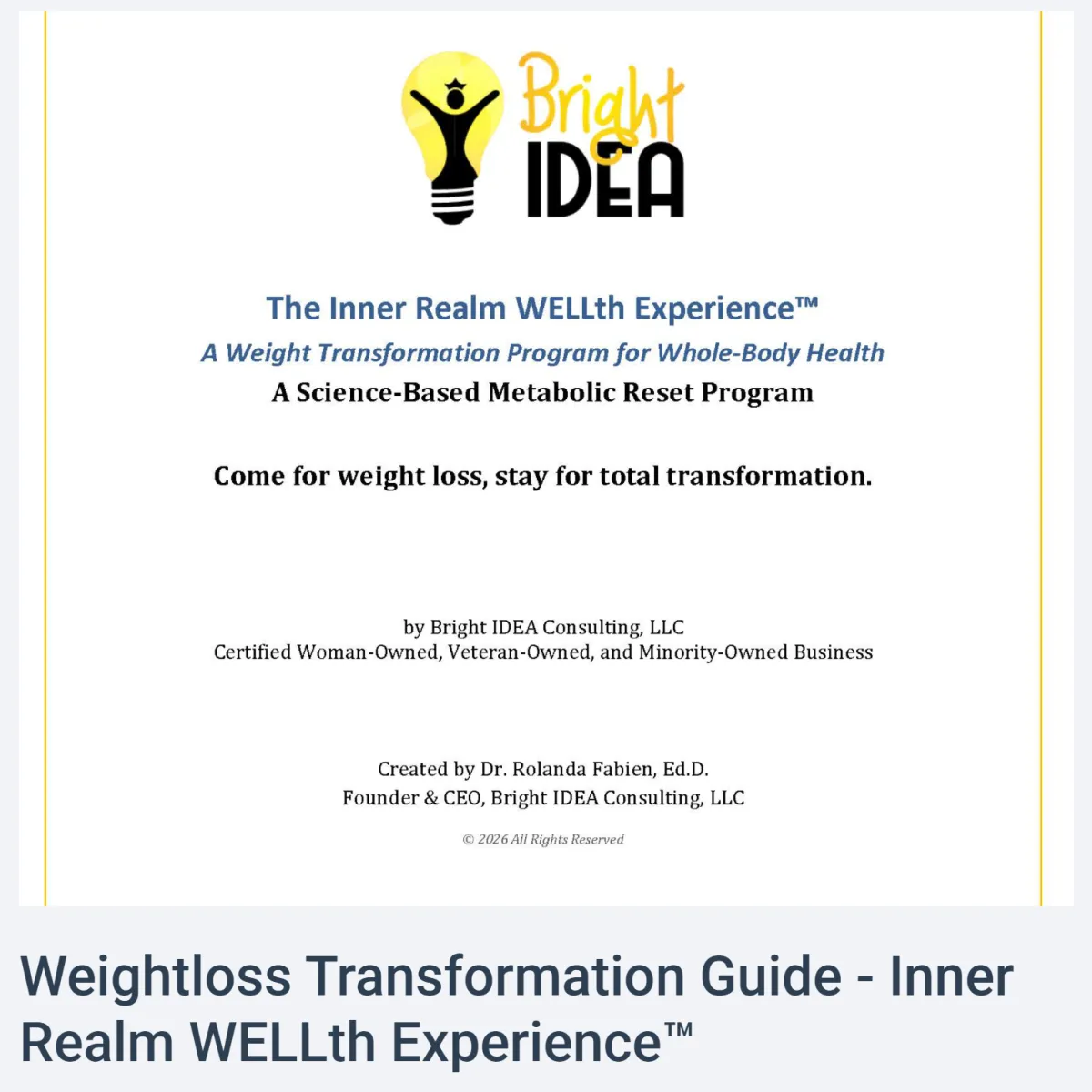






More Than a Store, A Lifestyle Partner.
Every recommendation inside BrightIDEA has been carefully selected to help you create a healthier, wealthier and happier life. We don't simply sell products, we curate solutions that empower lasting transformation.
Expert Curated Collections
Every product is intentionally selected for quality, usefulness and long-term value.
Trusted Wellness Resources
Access trusted recommendations, educational programs and digital resources designed to help you thrive.
Everything In One Place
Shop physical products, digital courses, wellness tools and business resources from one trusted destination.
10K+
Community Members500+
Curated Products98%
Customer SatisfactionReal Stories, Real Results
"The Inner Realm Masterclass completely changed my mindset. I feel lighter, clearer and more in control of my life."

Founder. Educator. Consultant.
Dr. Rolanda Fabien is the founder of Bright IDEA Consulting, LLC, partnering with school districts and education agencies nationwide on program evaluation, compliance, and organizational sustainability. A former special education teacher and instructional leader with over 25 years of experience, she also curates this collection of resources to support growth, balance, and everyday resilience, for parents, educators, and anyone building a well-lived life.



About US
Bright IDEA Consulting, LLC partners with school districts, education agencies, and the professionals who serve them, providing evidence-based program evaluation, compliance review, and professional development that strengthens systems and sustains the people running them. Founded by Dr. Rolanda Fabien, a former special education teacher and instructional leader with over 25 years of experience, BIC brings the same rigor to organizational systems that we bring to the individuals within them.
Alongside our consulting work, we maintain a curated collection of resources, including books, tools, and wellness products, for parents, educators, and individuals navigating their own journey of growth and balance. Whether you're a district seeking a partner for systems-level change or an individual looking for resources to support your family, we're here to help you find the bright ideas that make progress possible.