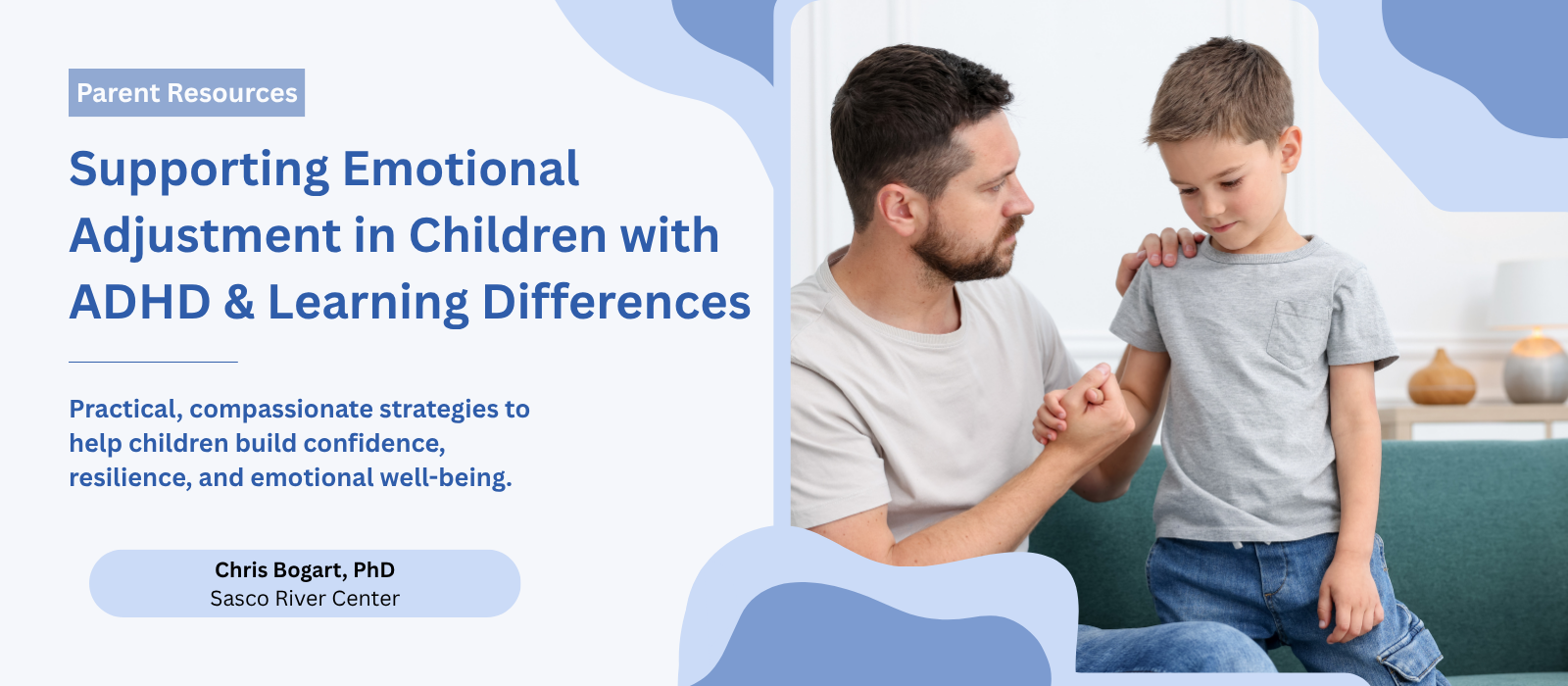
Youngsters with ADHD and studying variations usually work a lot tougher than others notice simply to get by the varsity day. Many are managing fixed effort behind the scenes: making an attempt to remain centered, sustain with work, masks frustration, keep away from errors, navigate social conditions, and recuperate from repeated emotions of discouragement or failure. As dad and mom, caregivers, and educators, supporting emotional wellbeing is inseparable from supporting studying.
Listed below are a number of evidence-based methods households can assist youngsters construct confidence, resilience, and emotional regulation over time, core expertise which are important for long-term success.
Validate Emotions Earlier than Fixing Issues
When youngsters are struggling emotionally, adults naturally wish to repair the issue rapidly or assist the kid transfer on. However earlier than youngsters can problem-solve successfully, they usually must really feel understood first. Many youngsters with ADHD and studying variations expertise feelings very intensely, particularly after they really feel embarrassed, overwhelmed, or discouraged.
Main with easy responses like:
- “That sounds actually irritating.”
- “I can see why you’re upset.”
- “That was a tough state of affairs.”
can assist youngsters really feel supported and emotionally protected earlier than shifting towards options.
Give attention to Effort and Persistence, Not Simply Efficiency
Wholesome confidence grows when youngsters study that effort, persistence, problem-solving, and restoration after setbacks matter simply as a lot as outcomes. Praising solely grades or achievements can unintentionally reinforce the concept that their worth is determined by efficiency.
As a substitute, discover issues like:
- Making an attempt once more after a setback
- Asking for assist
- Staying with a troublesome job
- Utilizing coping methods
- Recovering after frustration
Celebrating perseverance helps youngsters develop resilience and a more healthy sense of self-worth.
Perceive That Habits Typically Communicates Stress
Irritability, shutdowns, perfectionism, avoidance, emotional outbursts, and even “oppositional” conduct are sometimes indicators {that a} little one is overwhelmed relatively than deliberately defiant.
Youngsters with ADHD and studying variations could spend a lot of the day making an attempt to handle consideration, feelings, social expectations, and tutorial calls for. When stress builds up, conduct is usually the primary sign that extra help is required.
Trying beneath the conduct can assist adults reply with empathy, construction, and curiosity relatively than counting on punishment alone.

Create a Judgment-Free House for Dialog
Youngsters usually tend to open up after they really feel listened to relatively than instantly corrected, reassured, or lectured. Creating calm, judgment-free alternatives for dialog helps youngsters really feel emotionally protected.
Generally probably the most supportive response is just listening:
- “Inform me extra about that.”
- “What was the toughest half?”
- “What do you want folks understood?”
Feeling heard strengthens connection and encourages youngsters to speak extra overtly over time.
Defend Downtime and Restoration Time
Many neurodivergent youngsters spend the varsity day working additional time mentally and emotionally. By the tip of the day, they could really feel exhausted even when it’s not all the time apparent externally.
Downtime just isn’t a luxurious or reward that should be earned. For a lot of neurodivergent youngsters, it’s a real emotional and neurological want. It’s important for emotional restoration and regulation. Quiet time, motion, hobbies, creativity, outside play, and unstructured breaks can all assist youngsters recharge.
Encourage Self-Consciousness and Self-Advocacy
When youngsters perceive that everybody’s mind works in another way, they’re usually higher in a position to develop self-compassion and independence as an alternative of disgrace.
Youngsters profit from studying:
- What environments assist them focus
- What conditions really feel overwhelming
- Which coping methods work greatest
- Find out how to ask for help when wanted
Self-awareness and self-advocacy are lifelong expertise that may enhance each emotional wellbeing and tutorial success.
Companion Intently With Colleges
Studying and emotional wellbeing are deeply linked. When dad and mom, academics, and help employees talk overtly, youngsters profit from better consistency and understanding throughout environments.
Sharing observations about stress, emotional adjustments, tutorial challenges, or profitable methods can assist adults higher help the kid as a crew.
Spotlight Strengths and Pursuits Typically
Youngsters thrive when they’re acknowledged for greater than their struggles. Whereas help and intervention are essential, it’s equally essential to nurture the issues that make youngsters really feel succesful, assured, and valued.
Creativity, humor, kindness, curiosity, management, problem-solving, creative potential, empathy, and perseverance all deserve consideration, encouragement, and celebration.
Rejoice Small Wins
Emotional progress isn’t linear. Progress usually is available in small steps, particularly throughout irritating intervals or transitions.
A baby who:
- recovers from frustration extra rapidly,
- asks for assist as an alternative of shutting down,
- tries one thing new,
- or makes use of a coping ability independently
is making significant progress.
Recognizing these small victories helps youngsters construct confidence and reminds them that progress takes time.
Supporting youngsters with ADHD and studying variations by emotional struggles will be exhausting and emotionally demanding for folks as properly. Consistency, connection, and progress over time matter excess of getting each second “proper.” It’s about serving to youngsters really feel understood, supported, succesful, and valued for who they’re, each inside and outdoors the classroom.
Further Sources for Mother and father
Trending Merchandise